- Home
- Programme
- Registration
- Practical Guide
- About Neuronus
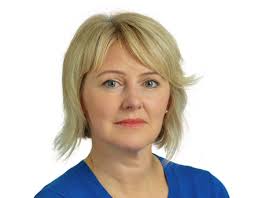
King’s College London, UK
Diana Cash (BSc Molecular Biology, MSc Neuroscience, PhD Neuroimaging) is a Senior Lecturer and Scientific Director of the preclinical neuroimaging facility, The Brain Centre, at the Institute of Psychiatry, Psychology and Neuroscience (IoPPN), King’s College London.
With over two decades of experience as an imaging biologist, Diana has led numerous brain imaging studies using cutting-edge techniques such as MRI, MR spectroscopy, PET, and a range of in vivo and in vitro approaches—including behavioural analysis, EEG, histology, and autoradiography—in experimental models of neurological and psychiatric disorders. She co-founded The Brain Centre in 2017, establishing it as a world-class hub for collaborative neuroimaging research across academia and industry.
Diana and her team in the Neuroimaging Department are dedicated to both forward- and back-translational research, seeking to better understand the mechanisms and treatments of conditions including dementia, schizophrenia, ageing-related cognitive decline, autism, Parkinson’s disease, stroke, and others. A key methodological focus of The Brain Centre is functional and pharmacological MRI, particularly for drug fingerprinting and benchmarking against current standard-of-care treatments. By advancing these techniques, the team strives to accelerate and refine the drug discovery pipeline to help address the urgent need for more effective therapies for brain disorders.
Lab website: https://brain-imaging.org
Talk: Preclinical fingerprinting of neuroactive drugs using pharmacological fMRI
Drug discovery in neuroscience faces major challenges due to the inaccessibility of the brain—the primary target organ. Testing novel compounds in humans is often ethically and financially unfeasible, while animal models frequently fall short in replicating the full complexity of clinical conditions. Neuroimaging offers a promising, translatable approach to bridge the "bench-to-bedside" gap, yet preclinical imaging methods often lack sufficient standardisation.
To address this, we are developing a database of neuroimaging "fingerprints" for established neuroactive drugs, which can serve as reference points for evaluating novel therapeutics. In this talk, I will outline the key methods used for pharmacological profiling in experimental rodents and highlight areas of convergence and divergence with imaging techniques used in humans. I will also present findings from our latest study, FFIND (Functional Fingerprinting in Neuroactive Drugs), in which we acquired BOLD and ASL fMRI data for several well-characterised compounds—including ketamine, MK801, psilocybin, donepezil, clozapine, and levetiracetam. This dataset provides a framework for benchmarking novel compounds and accelerating the development of more effective treatments for brain disorders.